Health & Fitness
Navigating the New Technology Landscape: Why is This Model Better Than That One?
I realize the new technology learning curve is constantly evolving, but sometimes we forget to ask an obvious question.

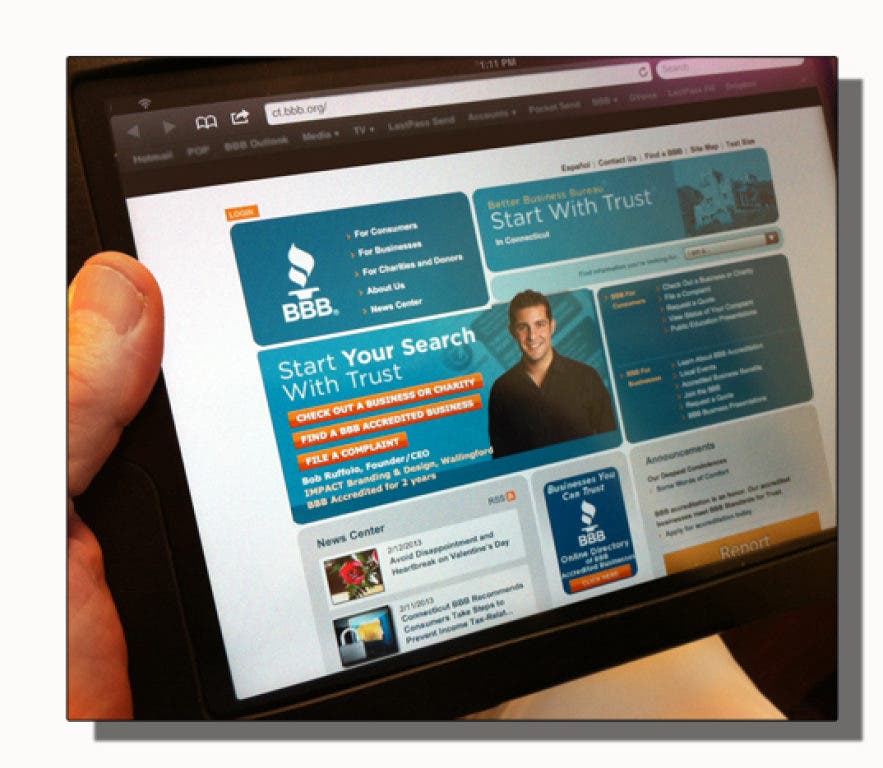
I bit the bullet a few weeks ago and went shopping for a tablet. I decided my smart phone was fine for many purposes, but I was finally able to justify getting a tablet to watch videos and read articles without torturing my eyes. The print seems to get finer as I grow older. I don’t need my technology to constantly remind me about that.
Reading consumer reviews about the different makes and models only served to confuse me.
Online reviews were numerous but not very specific. Customer reviews were based largely on brand preference and price – not performance.
Find out what's happening in Fairfieldwith free, real-time updates from Patch.
Just when I thought I knew what I wanted, I went to a retailer to check it out, I was told “That model isn’t as good as the others.”
As I continued my research, it seemed that I was getting closer to finding the best device at the right price when tech-smart employees told me “I personally prefer the XYZ with the 10 inch screen.” I figured I could make a decision with a few more visits to stores for the recommendations of employees who use these devices.
Find out what's happening in Fairfieldwith free, real-time updates from Patch.
I have been working with computers since 1995, and realize the learning curve is constantly evolving. However, I only started to understand which model and brand would be appropriate for me once I asked what seemed an obvious question: “Why do you prefer this particular device?”
The answers were revealing. One clerk said his choice was because of brand loyalty. Another said his store had a great price on a particular model and that’s what drove his decision. The last one I asked showed me the difference between my two top choices and explained that one of them had a lot of storage space, but the other model’s screen was less jerky and the model was faster than the others. He showed me and I agreed.
It’s a lot easier to choose a dessert in a restaurant. If you ask a waiter or waitress which is their favorite, one might recommend the peanut butter cupcake because they love peanut butter. Another might steer you towards the chocolate cake because of their love of chocolate. However, when we as consumers tread on unfamiliar territory, it is important to understand the details of why a product or service is better, and in the case of home improvements, why one design is different than the others, and why it is best choice.
-Submitted by Howard Schwartz, Executive Communications Director Connecticut Better Business Bureau


